Outdoor Living Spaces That Add Value to Your Home
Outdoor Living Spaces That Add Value to Your Home
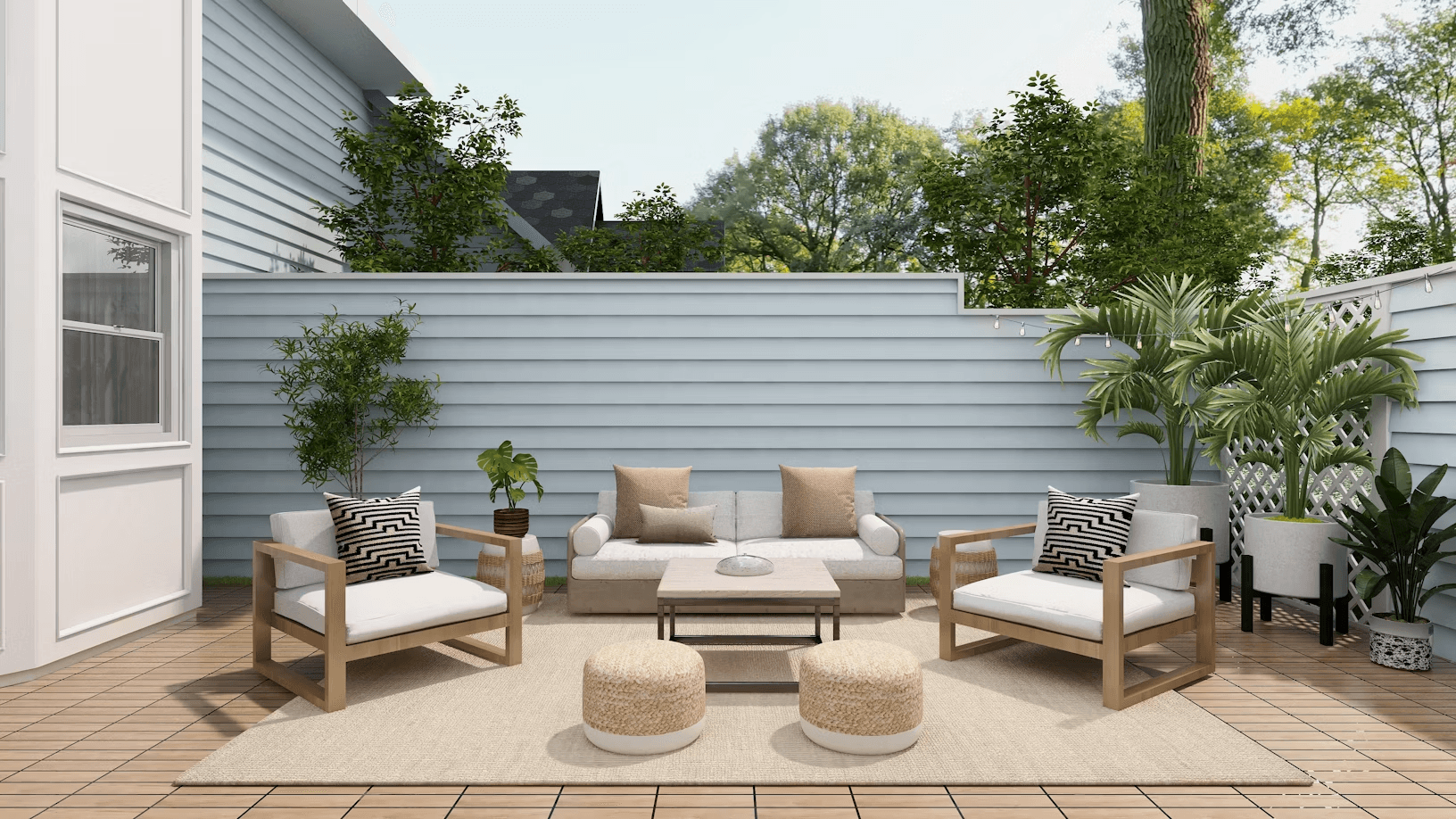


Outdoor living spaces have become an increasingly important part of modern homes. Well-designed patios, gardens, and entertainment areas can extend your living space while improving both functionality and property value. Whether you're creating a place to relax with family or entertain guests, investing in outdoor improvements can provide long-term benefits.
One of the most popular upgrades is the addition of a patio or seating area. Durable paving materials, comfortable furniture, and thoughtful landscaping help create a welcoming environment that can be enjoyed throughout the year. Outdoor lighting can further enhance usability while adding atmosphere and visual appeal.
Landscaping also plays a significant role in improving curb appeal. Carefully selected plants, pathways, and garden features can transform an ordinary outdoor area into a beautiful extension of the home. Modern landscaping designs often focus on low-maintenance solutions that remain attractive while reducing ongoing upkeep.
In addition to improving aesthetics, outdoor living spaces can increase property value and enhance everyday enjoyment. By combining practical design with quality materials, homeowners can create versatile outdoor environments that support relaxation, entertainment, and family activities while making a lasting impression on visitors and potential buyers.
Related Articles
Related Articles
Explore more expert insights, renovation tips, and practical advice to help you plan your next home improvement project.

Bathroom Remodeling Ideas That Maximize Small Spaces
A bathroom renovation is one of the most effective ways to improve comfort, functionality, and property value. While large bathrooms offer greater design flexibility, small bathrooms can also become beautiful and highly practical spaces when planned correctly. With smart layouts, modern fixtures, and efficient storage solutions, even the most compact bathroom can feel spacious and inviting.
Whether you're updating an outdated guest bathroom or transforming a small family bathroom, careful planning can help maximize every square foot while creating a modern and comfortable environment.
Start With a Functional Layout
The foundation of every successful bathroom remodeling project is an efficient layout. In smaller bathrooms, every inch matters. Before selecting materials or fixtures, evaluate how the space is currently used and identify opportunities for improvement.
Consider replacing bulky fixtures with space-saving alternatives. Wall-mounted sinks, floating vanities, and compact toilets can free up valuable floor space and create a more open appearance. A well-planned layout improves movement throughout the room while enhancing overall usability.
Use Light Colors to Create Openness
Color plays a significant role in how spacious a room feels. Light shades such as white, beige, soft gray, and warm neutrals reflect more light, helping small bathrooms appear larger and brighter.
Many modern bathroom designs incorporate neutral color palettes combined with natural materials and subtle textures. This approach creates a clean, timeless aesthetic while maintaining a welcoming atmosphere.
Consistency is also important. Using similar colors throughout walls, flooring, and cabinetry helps create visual continuity and prevents the room from feeling crowded.
Install Large Mirrors
Mirrors are one of the most effective design tools for small bathrooms. A large mirror reflects both natural and artificial light, creating the illusion of a larger space.
Many homeowners choose oversized mirrors above vanities or full-width mirror installations to maximize this effect. In addition to improving aesthetics, larger mirrors provide practical benefits for everyday use.
Combining mirrors with strategic lighting can dramatically enhance brightness and make the room feel significantly more open.
Maximize Storage Without Adding Clutter
Storage is often one of the biggest challenges in smaller bathrooms. The goal is to provide sufficient storage while maintaining a clean and organized appearance.
Built-in shelving, recessed wall niches, floating cabinets, and vanity storage can help keep everyday items accessible without consuming excessive space. Vertical storage solutions are particularly useful because they take advantage of unused wall space.
A clutter-free bathroom not only looks better but also feels more spacious and relaxing.
Choose a Walk-In Shower
Traditional bathtubs can occupy a significant portion of a small bathroom. In many cases, replacing a bulky tub with a walk-in shower can instantly make the room feel larger.
Frameless glass shower enclosures are especially popular because they create visual openness and allow light to move freely throughout the space. Modern walk-in showers also offer a sleek appearance that complements contemporary bathroom designs.
For homeowners who still prefer a bathtub, compact freestanding models can provide a stylish alternative.
Improve Lighting Design
Lighting is essential for both functionality and atmosphere. Small bathrooms benefit from layered lighting that combines ambient, task, and accent fixtures.
Vanity lighting improves visibility for daily routines, while ceiling fixtures provide overall illumination. Additional lighting around mirrors or within shower niches can add depth and visual interest.
Natural light should also be maximized whenever possible. Larger windows, skylights, or frosted glass panels can brighten the space while maintaining privacy.
Select Durable and Easy-to-Maintain Materials
Bathrooms are exposed to moisture, temperature changes, and daily wear. Choosing durable materials ensures long-term performance while reducing maintenance requirements.
Porcelain tiles, quartz countertops, water-resistant cabinetry, and quality fixtures provide excellent durability without sacrificing style. Investing in reliable materials can help prevent future repairs and maintain the appearance of the renovation for years to come.
Benefits of Bathroom Remodeling
Improve functionality and comfort
Increase property value
Maximize available space
Enhance storage solutions
Modernize outdated fixtures
Improve lighting and ventilation
Create a more relaxing environment
Reduce maintenance requirements
Final Thoughts
A small bathroom doesn't have to feel cramped or outdated. With thoughtful planning, smart storage solutions, modern fixtures, and strategic design choices, homeowners can create a bathroom that feels spacious, stylish, and highly functional. Whether you're planning a complete bathroom remodel or making targeted improvements, focusing on efficiency and quality materials will help deliver lasting value and everyday comfort.

Planning a Home Renovation: Where to Start
Home renovation projects are one of the most effective ways to improve both the functionality and value of your property. Whether you're planning a kitchen renovation, bathroom remodel, loft conversion, or complete home extension, careful planning can help you maximize your investment.
Many homeowners focus on cosmetic upgrades, but Astrategic improvements often deliver the highest return. Modern kitchens, updated bathrooms, energy-efficient solutions, and additional living space are among the most valuable renovation projects.
Before starting any renovation, establish a realistic budget and timeline. Working with experienced contractors can help prevent delays and ensure quality workmanship throughout the project. It's also important to select durable materials that provide long-term value while complementing your home's design.
A successful renovation should improve both aesthetics and functionality. By combining thoughtful planning with professional expertise, homeowners can create comfortable living spaces while increasing the overall appeal of their property.
Key Benefits
Increase property value
Improve energy efficiency
Enhance everyday comfort
Modernize outdated spaces
Maximize available living space
Improve curb appeal
Create a better home layout
Final Thoughts
Investing in home improvement projects can deliver significant long-term benefits. Whether you're renovating a single room or upgrading your entire property, proper planning and quality craftsmanship are essential for achieving the best results.

10 Home Renovation Tips to Increase Property Value
Home renovation is one of the most effective ways to improve both the comfort and value of your property. Whether you're planning a kitchen renovation, bathroom remodeling project, loft conversion, or home extension, making strategic improvements can significantly increase your home's appeal while creating a better living environment for your family.
Many homeowners begin renovation projects with a focus on aesthetics, but successful renovations combine style, functionality, and long-term value. By making informed decisions and working with experienced professionals, you can maximize your investment while avoiding common renovation mistakes.
1. Start With a Clear Renovation Plan
Before beginning any renovation project, establish clear goals. Consider which areas of your home require improvement and identify the outcomes you want to achieve. A detailed plan helps keep the project organized and prevents costly changes later.
2. Set a Realistic Budget
One of the most common renovation mistakes is underestimating costs. Create a comprehensive budget that includes labor, materials, permits, and a contingency fund for unexpected expenses. Having a financial buffer helps ensure your project stays on track.
3. Prioritize High-Value Areas
Certain areas of the home typically provide better returns on investment. Kitchen renovations and bathroom remodeling projects consistently rank among the most valuable upgrades. These spaces play an important role in both daily living and property resale value.
4. Improve Energy Efficiency
Modern buyers increasingly value energy-efficient homes. Consider upgrading windows, insulation, lighting, and appliances to improve efficiency while reducing long-term utility costs.
5. Maximize Natural Light
Natural light can dramatically improve the appearance and feel of a home. Larger windows, skylights, and open-plan layouts help create bright, inviting spaces that feel larger and more comfortable.
6. Focus on Quality Materials
Investing in durable, high-quality materials can increase the longevity of your renovation while reducing future maintenance costs. Quality finishes also contribute to a more premium appearance throughout the home.
7. Create Functional Living Spaces
A beautiful space should also be practical. Consider storage solutions, room flow, and daily functionality when making design decisions. Functional homes tend to attract more buyers and provide greater satisfaction for homeowners.
8. Consider a Loft Conversion
If you need additional space, a loft conversion can be a cost-effective solution. Converting unused attic space into a bedroom, office, or guest suite can significantly increase property value without extending the home's footprint.
9. Enhance Outdoor Areas
Landscaping improvements, patios, and outdoor entertaining spaces can improve curb appeal and create additional living areas. Well-designed outdoor spaces are increasingly desirable among homeowners.
10. Work With Experienced Professionals
Partnering with qualified contractors and renovation specialists can help ensure a smooth project from start to finish. Professional guidance reduces risk, improves quality, and helps avoid expensive mistakes.
Key Benefits of Strategic Home Renovation
Increase property value
Improve energy efficiency
Enhance daily comfort
Modernize outdated spaces
Create additional living areas
Improve functionality and flow
Boost curb appeal
Reduce long-term maintenance costs
Final Thoughts
A well-planned home renovation can transform your living experience while increasing the long-term value of your property. By focusing on functionality, quality craftsmanship, and smart design choices, homeowners can create beautiful spaces that meet their needs today while supporting future property value. Whether you're considering a kitchen renovation, bathroom remodel, loft conversion, or complete home improvement project, careful planning and professional execution are key to achieving lasting results.
Bathroom Remodeling Ideas That Maximize Small Spaces
A bathroom renovation is one of the most effective ways to improve comfort, functionality, and property value. While large bathrooms offer greater design flexibility, small bathrooms can also become beautiful and highly practical spaces when planned correctly. With smart layouts, modern fixtures, and efficient storage solutions, even the most compact bathroom can feel spacious and inviting.
Whether you're updating an outdated guest bathroom or transforming a small family bathroom, careful planning can help maximize every square foot while creating a modern and comfortable environment.
Start With a Functional Layout
The foundation of every successful bathroom remodeling project is an efficient layout. In smaller bathrooms, every inch matters. Before selecting materials or fixtures, evaluate how the space is currently used and identify opportunities for improvement.
Consider replacing bulky fixtures with space-saving alternatives. Wall-mounted sinks, floating vanities, and compact toilets can free up valuable floor space and create a more open appearance. A well-planned layout improves movement throughout the room while enhancing overall usability.
Use Light Colors to Create Openness
Color plays a significant role in how spacious a room feels. Light shades such as white, beige, soft gray, and warm neutrals reflect more light, helping small bathrooms appear larger and brighter.
Many modern bathroom designs incorporate neutral color palettes combined with natural materials and subtle textures. This approach creates a clean, timeless aesthetic while maintaining a welcoming atmosphere.
Consistency is also important. Using similar colors throughout walls, flooring, and cabinetry helps create visual continuity and prevents the room from feeling crowded.
Install Large Mirrors
Mirrors are one of the most effective design tools for small bathrooms. A large mirror reflects both natural and artificial light, creating the illusion of a larger space.
Many homeowners choose oversized mirrors above vanities or full-width mirror installations to maximize this effect. In addition to improving aesthetics, larger mirrors provide practical benefits for everyday use.
Combining mirrors with strategic lighting can dramatically enhance brightness and make the room feel significantly more open.
Maximize Storage Without Adding Clutter
Storage is often one of the biggest challenges in smaller bathrooms. The goal is to provide sufficient storage while maintaining a clean and organized appearance.
Built-in shelving, recessed wall niches, floating cabinets, and vanity storage can help keep everyday items accessible without consuming excessive space. Vertical storage solutions are particularly useful because they take advantage of unused wall space.
A clutter-free bathroom not only looks better but also feels more spacious and relaxing.
Choose a Walk-In Shower
Traditional bathtubs can occupy a significant portion of a small bathroom. In many cases, replacing a bulky tub with a walk-in shower can instantly make the room feel larger.
Frameless glass shower enclosures are especially popular because they create visual openness and allow light to move freely throughout the space. Modern walk-in showers also offer a sleek appearance that complements contemporary bathroom designs.
For homeowners who still prefer a bathtub, compact freestanding models can provide a stylish alternative.
Improve Lighting Design
Lighting is essential for both functionality and atmosphere. Small bathrooms benefit from layered lighting that combines ambient, task, and accent fixtures.
Vanity lighting improves visibility for daily routines, while ceiling fixtures provide overall illumination. Additional lighting around mirrors or within shower niches can add depth and visual interest.
Natural light should also be maximized whenever possible. Larger windows, skylights, or frosted glass panels can brighten the space while maintaining privacy.
Select Durable and Easy-to-Maintain Materials
Bathrooms are exposed to moisture, temperature changes, and daily wear. Choosing durable materials ensures long-term performance while reducing maintenance requirements.
Porcelain tiles, quartz countertops, water-resistant cabinetry, and quality fixtures provide excellent durability without sacrificing style. Investing in reliable materials can help prevent future repairs and maintain the appearance of the renovation for years to come.
Benefits of Bathroom Remodeling
Improve functionality and comfort
Increase property value
Maximize available space
Enhance storage solutions
Modernize outdated fixtures
Improve lighting and ventilation
Create a more relaxing environment
Reduce maintenance requirements
Final Thoughts
A small bathroom doesn't have to feel cramped or outdated. With thoughtful planning, smart storage solutions, modern fixtures, and strategic design choices, homeowners can create a bathroom that feels spacious, stylish, and highly functional. Whether you're planning a complete bathroom remodel or making targeted improvements, focusing on efficiency and quality materials will help deliver lasting value and everyday comfort.
Planning a Home Renovation: Where to Start
Home renovation projects are one of the most effective ways to improve both the functionality and value of your property. Whether you're planning a kitchen renovation, bathroom remodel, loft conversion, or complete home extension, careful planning can help you maximize your investment.
Many homeowners focus on cosmetic upgrades, but Astrategic improvements often deliver the highest return. Modern kitchens, updated bathrooms, energy-efficient solutions, and additional living space are among the most valuable renovation projects.
Before starting any renovation, establish a realistic budget and timeline. Working with experienced contractors can help prevent delays and ensure quality workmanship throughout the project. It's also important to select durable materials that provide long-term value while complementing your home's design.
A successful renovation should improve both aesthetics and functionality. By combining thoughtful planning with professional expertise, homeowners can create comfortable living spaces while increasing the overall appeal of their property.
Key Benefits
Increase property value
Improve energy efficiency
Enhance everyday comfort
Modernize outdated spaces
Maximize available living space
Improve curb appeal
Create a better home layout
Final Thoughts
Investing in home improvement projects can deliver significant long-term benefits. Whether you're renovating a single room or upgrading your entire property, proper planning and quality craftsmanship are essential for achieving the best results.